
AI, Data Science & Computing
Serhii Nechyporchuk
Founding Machine Learning Engineer at Casca/Cascading AI, bringing applied AI and startup expertise to the review panel.
The competition has concluded · Results published
In July 2026, student researchers worldwide turned ambitious questions into original work. Now, the finalist archive is open—celebrating the ranked Top 25 and all 100 finalist teams.
The 2026 podium
Selected after the Grand Finale by an expert judging panel. Open a team profile to explore the researchers and their work.
Watch the research
Featured judges
A selection from the multidisciplinary review panel behind the 2026 results. Explore the full roster for every lead and associate judge.
Founding Machine Learning Engineer at Casca/Cascading AI, bringing applied AI and startup expertise to the review panel.
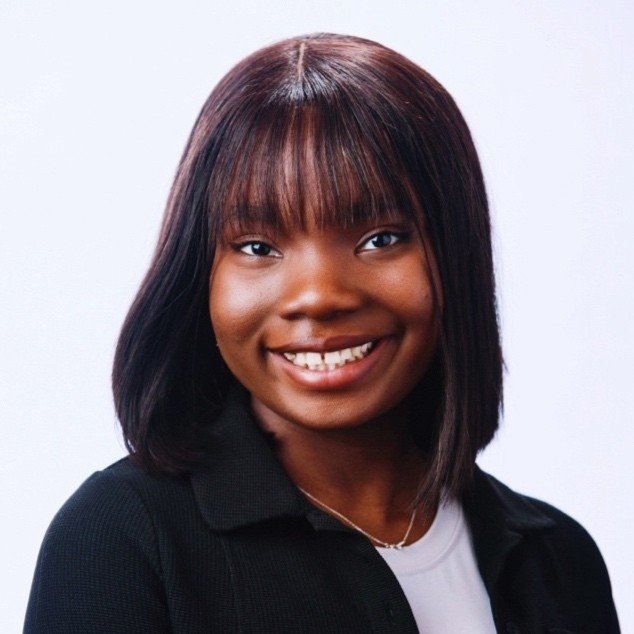
Applied Analytics researcher with experience spanning consulting, financial services, and emerging technology.
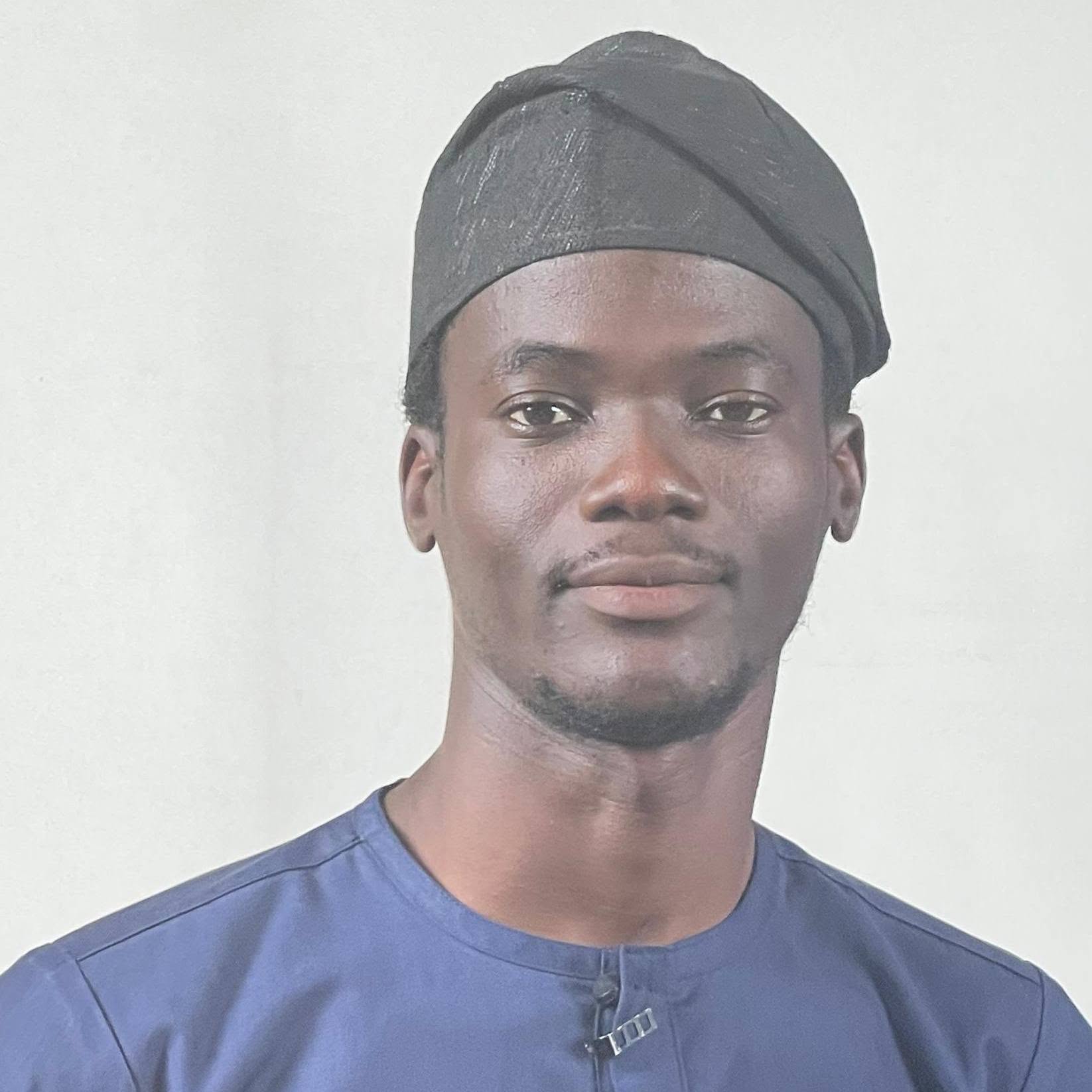
Graduate researcher focused on climate change, environmental governance, and food-security policy.
Event recap
The fully virtual sprint ran July 13–18, followed by two rounds of review and a live Grand Finale on July 25. Every submission was reviewed against innovation, technical execution, impact, and communication.
Research without silos
Finalists investigated problems across computation, health, engineering, the physical world, the environment, and society.
How the results were decided
The result archive separates the official ranking from finalist recognition: only the Top 25 are ranked; the other 75 appear alphabetically with no implied order.
Every submission was reviewed using the 120-point rubric. One hundred teams advanced.
PhD-level and industry judges evaluated the Top 100 and selected 25 Grand Finalists.
The Top 25 presented live. Final scores established the official ranked placements.
People behind the process
Expert judges and research partners gave student work the serious attention it deserved.
Researchers and industry practitioners evaluated projects across all six tracks.
Discover the complete finalist cohort and each team’s dedicated project profile.
Partner organizations supported disciplines, student communities, and research access.